
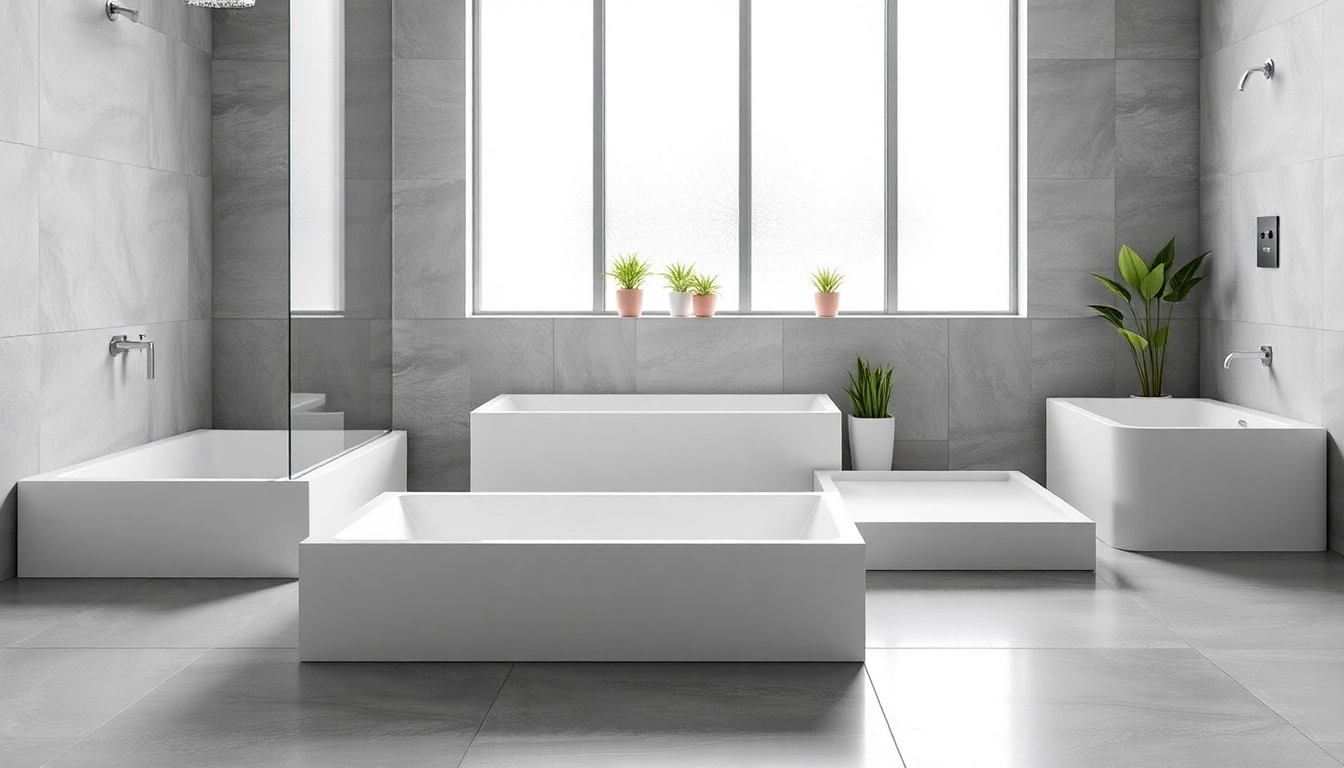
Understanding Shower Base Shower Options
Choosing the right shower base shower is a crucial aspect of any bathroom renovation or new construction project. With various designs, materials, and functional options available, homeowners often find themselves at a crossroads when selecting the perfect shower base. Understanding these options lays the foundation for creating a bathroom that is not only stylish but also functional. For more insights, you can explore a range of shower base shower solutions tailored to fit diverse preferences.
Types of Shower Base Showers
The market offers several types of shower base showers, each catering to different aesthetic styles and functional needs. Understanding these can help you make an informed choice:
- Standard Shower Bases: These are the most common type, providing a basic structure for a shower. Available in various sizes, they are often made from acrylic, fiberglass, or porcelain.
- Curbless Shower Bases: Creating a seamless transition between the shower and bathroom floor, curbless designs are not only modern but also highly practical—ideal for those with mobility challenges.
- Neo-Angle Shower Bases: Perfect for corner installations, neo-angle shapes maximize space while providing a stylish visual appeal.
- Quadrant Shower Bases: These rounded designs work well in tight spaces and lend a contemporary look to the bathroom.
Materials Used in Shower Bases
The materials chosen for shower bases significantly impact longevity, maintenance, and aesthetics. Here are the most commonly used materials:
- Acrylic: Lightweight and easy to maintain, acrylic shower bases are durable and come in various colors and styles.
- Fiberglass: Known for being budget-friendly, fiberglass bases are also lightweight but may require more maintenance over time, particularly with surface scratches.
- Tile: For a high-end look, tiled shower bases allow for customization in terms of color and design. However, installation can be complex, and grout lines require regular cleaning.
- Stone: Providing a luxurious feel, stone bases are durable but can be heavy and may necessitate professional installation.
Choosing Between Curbless and Traditional Designs
When selecting between curbless and traditional shower designs, consider both functionality and aesthetic preference.
Curbless designs offer easier accessibility, making them suitable for all ages, particularly the elderly or those with disabilities. On the other hand, traditional designs may suit those aiming for a classic bathroom aesthetic.
It’s essential to consider waterproofing, drainage efficiency, and local building codes when making your choice.
Installation Considerations for Shower Base Shower
Preparation Tips Before Installation
Proper preparation can significantly influence the ease and effectiveness of your shower base installation. Here are some key steps:
- Check Measurements: Accurate measurements of your shower space are crucial. Confirm the dimensions before purchasing the shower base.
- Level the Subfloor: Ensure that your subfloor is level to prevent drainage issues.
- Choose the Right Drainage System: Depending on whether you select a curbless or traditional base, the drainage requirements may differ.
DIY vs. Professional Installation
Deciding whether to install a shower base shower yourself or hire a professional often comes down to your skill level and the complexity of the project.
A DIY installation can save costs but poses risks if unfamiliar with plumbing and waterproofing techniques. Hiring a professional guarantees proper installation, especially for complex layouts.
Common Installation Mistakes to Avoid
To ensure a smooth installation process, be mindful of these common pitfalls:
- Ignoring Drain Placement: Incorrect drain positioning can lead to standing water and leakage.
- Improper Sealing: Failing to effectively seal joints can result in water damage over time.
- Neglecting to Follow Manufacturer Instructions: Each product has specific installation requirements that must be adhered to for optimal performance.
Enhancing Aesthetics with Shower Base Shower
Matching Shower Bases with Bathroom Décor
Your shower base shower should complement the overall decor of your bathroom. Consider the following:
- Color Coordination: Choose a color that matches or contrasts the tile, paint, or bathroom fixtures for a cohesive look.
- Style Consistency: Ensure that your shower base’s design aligns with the bathroom’s overall theme—be it modern, rustic, or traditional.
- Spatial Awareness: The size and shape of the shower base should harmonize with the other elements in your bathroom to avoid a cramped or chaotic appearance.
Color and Texture Coordination
Utilizing colors and textures effectively can significantly enhance the aesthetic appeal:
- Neutral Tones: These create a relaxing atmosphere, making your space feel larger and more inviting.
- Textured Surfaces: Adding textures can create visual interest and can complement smooth surfaces found in tiles or wall paint.
Accessorizing Your Shower Base Shower
Accessories play a vital role in personalizing your shower base shower. Consider adding:
- Shower Mats: These can provide additional safety and add a pop of color.
- Shelves: Functional and decorative, shelves can hold toiletries and add character.
- Shower Curtains or Doors: Stylish options can enhance privacy while also complementing your bathroom’s design.
Maintaining Your Shower Base Shower
Cleaning and Care Tips
Maintaining your shower base is crucial for longevity. Here are some basic care tips:
- Regular Cleaning: Use non-abrasive cleaners to maintain the base’s appearance without damaging the surface.
- Prevent Mold and Mildew: Ensure proper ventilation to minimize humidity and inhibit mold growth.
- Address Stains Promptly: Treat stains early to prevent them from setting in.
Repairing Common Issues
Common shower base issues include cracks and discoloration. Here are quick fixes:
- Cracks: Small cracks can often be repaired with epoxy or sealant designed for the material. For larger cracks, consider a professional assessment.
- Discoloration: Mild stains may respond well to regular cleaning products, while stubborn stains might need specialized treatments.
Long-Term Maintenance Practices
To ensure your shower base shower remains functional and attractive over time, consider these long-term maintenance practices:
- Sealants: For concrete or stone bases, applying a waterproof sealant can prevent water ingress and extend the base’s lifespan.
- Annual Inspections: Regular checks for leaks or wear can help catch problems early.
- Adapting to Trends: Stay informed about new materials or styles that could enhance your shower space.
Frequently Asked Questions About Shower Base Shower
What is the average cost of a shower base shower?
The average cost can range widely based on materials and size, typically from $100 to $800, excluding installation fees.
How do I choose the right size for my shower base shower?
Measure your available space carefully. Ensure to account for plumbing and any additional features like shelves or seating.
Can I install a shower base shower myself?
Yes, if you possess the necessary skills. However, consider hiring a professional for complex installations to avoid mistakes.
What materials are best for shower base showers?
Acrylic and ceramic tile are popular options due to their durability and aesthetic flexibility. Stone offers luxury but requires more upkeep.
How can I enhance the appearance of my shower base shower?
Use color coordination, interesting textures, and stylish accessories to create a stunning visual impression in your space.