
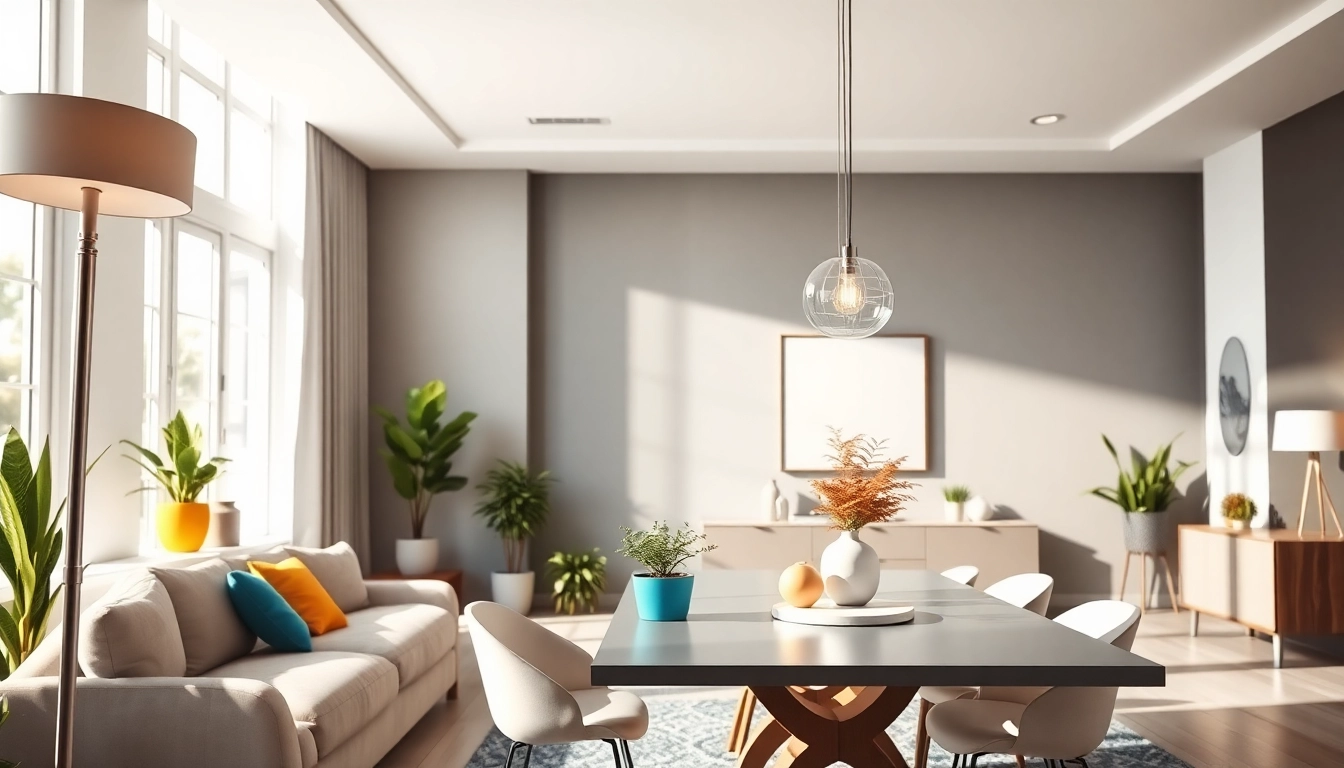
Understanding Modern Lighting Concepts
Defining Modern Lighting Styles
Modern lighting is a dynamic aspect of interior design, combining functionality and aesthetic appeal, and reflects contemporary tastes and trends. It is characterized by clean lines, minimal ornamentation, and innovative design, which sets it apart from classical styles. Key modern lighting styles include industrial, minimalist, Scandinavian, and mid-century modern, each offering its unique take on light fixtures and their role in living spaces. By Shop ModernLighting, you can explore a diverse collection matching these styles to enhance your home decor.
Key Features of Modern Fixtures
Modern lighting fixtures stand out due to their unique features that prioritize both function and form:
- Materials: Common materials include glass, metal, and wood, often used in innovative configurations to create balance and contrast.
- Shapes: Fixtures often embrace geometric forms, with a strong inclination toward sleek, streamlined silhouettes.
- Energy Efficiency: An emphasis on LED technology ensures energy efficiency and long-lasting performance while maintaining high quality in illumination.
- Customization: Many fixtures can be adjusted for direction, brightness, and sometimes even color, facilitating personalized ambiance control.
Historical Context of Modern Lighting
The evolution of modern lighting can be traced back to significant technological advancements and changing design philosophies. The Industrial Revolution marked a pivotal shift with the introduction of electric lighting, which enabled larger spaces to be illuminated. The Bauhaus movement further influenced modern lighting design, promoting simplicity and functionality over ornamentation. By the late 20th century, sustainable design principles began to rise, prompting innovations that emphasize efficiency and aesthetics.
How to Choose the Right Modern Lighting
Assessing Your Space Needs
When selecting modern lighting, it’s essential to assess the specific needs of your space. Start by considering the dimensions and layout: larger areas may require statement fixtures or multiple light sources to achieve adequate illumination, whereas smaller spaces might benefit from subtle lighting options to maintain an open feel. Always factor in the function of the room; task lighting, ambient lighting, and accent lighting may all play vital roles depending on the activities conducted in the space.
Factors to Consider for Function and Style
When blending function with style, take note of the following factors:
- Color Temperature: Choose fixtures with light bulbs that offer a suitable color temperature—warm white for cozy environments or cool white for dynamic workspaces.
- Fixture Height: Ceiling height plays a crucial role in determining the type and size of fixtures; low-hanging lights can define intimate spaces, while higher-installed lights can provide breadth to an area.
- Automation: Consider incorporating smart lighting solutions that allow for remote control and programming for added convenience and energy savings.
Matching Fixtures to Interior Decor
A cohesive design style is key to an aesthetically pleasing home. Analyze your existing decor elements—furniture, colors, and textures—to select lighting that harmonizes with the overall theme. For a modern aesthetic, consider fixtures with striking designs that serve as focal points while still feeling integrated within the surrounding decor. Complementary materials such as metals with wood elements or glass can create a balanced look and enhance visual interest.
Top Lighting Trends for Contemporary Homes
Popular Materials Used in Modern Lighting
Today’s modern lighting trends showcase innovative and varied materials that elevate design. Metallic finishes, such as brass and matte black, have become increasingly popular for their ability to complement a range of aesthetics. Natural materials like wood provide warmth and texture, while glass and acrylic fixtures lend an airy, open feel to spaces. The trend towards eco-conscious design has also introduced sustainable materials, with many fixtures incorporating recycled or ethically sourced elements.
Color Trends: What’s In and What’s Out
Color choice in lighting can dramatically impact the feel of a room. The current trend leans toward muted tones, pastel shades, and earthy colors that enhance a sense of serenity. Bright colors are less common in lighting fixtures but can work as accent pieces in eclectic designs. Gold and warm brass tones continue to capture attention, adding a touch of elegance without being overpowering.
Innovative Technologies in Lighting
Modern lighting solutions harness cutting-edge technologies that enhance usability and efficiency. Features such as smart lighting systems allow users to control brightness, color, and scheduling through mobile apps or voice commands. Moreover, intelligent ambient sensors can automatically adjust light levels based on the time of day and occupancy, promoting energy savings. Integration of features like color-changing bulbs and tunable white lights offer flexibility that caters to varying preferences and activities throughout a day.
Implementing Your Modern Lighting Design
Strategic Placement of Fixtures
The strategic placement of lighting fixtures is fundamental to maximizing their effect. Begin with layering light sources by combining ambient, task, and accent lighting to create depth and dimension. Accent lights can highlight artwork or architectural features, task lighting can ensure functionality in work areas, and ambient light provides a general glow. Position fixtures at different heights, utilizing floor lamps, pendant lights, and wall-mounted sconces to add visual interest.
Layering Light for Depth and Warmth
A well-designed lighting scheme incorporates layers to achieve a harmonious atmosphere. Begin with ambient lighting, then layer in task lighting where specific activities occur. Finally, use accent lighting to draw attention to focal points or create an inviting ambiance. Incorporating dimmers can facilitate a shift in mood, offering flexibility for different times and purposes, while also enhancing efficiency by reducing energy consumption.
Maintenance Tips for Longevity
To ensure your modern lighting fixtures remain in optimal condition, follow these maintenance tips:
- Regularly clean fixtures with appropriate materials for the finish to prevent dust buildup and maintain shine.
- Check and replace light bulbs as necessary; consider LED fixtures for reduced heat output and increased longevity.
- Inspect electrical connections periodically to ensure safety and functionality.
Measuring the Impact of Modern Lighting
Assessing Mood Changes with Lighting
Lighting plays a crucial role in influencing emotional well-being and productivity. Warmer light temperatures can evoke feelings of comfort and coziness, making them ideal for living rooms and bedrooms. Conversely, cooler temperatures can enhance concentration and alertness, recommended for workspaces. By experimenting with various lighting settings, individuals can tailor environments to suit activities, potentially improving mood and productivity.
Energy Efficiency: Modern Solutions
As energy concerns grow, modern lighting solutions are increasingly focused on energy efficiency. Utilizing LED lighting reduces energy consumption significantly compared to traditional incandescent bulbs. Smart lighting systems further enhance efficiency through automation and occupancy sensing capabilities. Additionally, energy-efficient fixtures can be integrated into design plans to meet sustainability goals while maintaining style and function.
Feedback from Homeowners: Real Experiences
Homeowners consistently report enhanced satisfaction after upgrading to modern lighting solutions. Many note improved aesthetics and less energy usage, contributing to minimized utility bills. Additionally, personalized lighting settings allow them to create desired atmospheres for various occasions, reflecting their style while meeting functional needs. These real-life experiences highlight the transformative impact of well-designed modern lighting.
Frequently Asked Questions
What defines modern lighting?
Modern lighting is characterized by clean lines, minimalistic designs, and a focus on functionality. It often incorporates new materials and technologies while reflecting contemporary design trends.
How do I choose the right lighting for my room?
Assess your space’s needs, considering factors like size, function, and aesthetic. Layer different types of lighting and choose fixtures that complement your decor.
What are the latest trends in lighting design?
Current trends include the use of natural materials, muted colors, and smart lighting solutions. Geometric shapes and energy-efficient technologies are also very popular.
How can lighting affect mood?
Lighting plays a key role in mood setting; warmer tones create a cozy atmosphere while cooler tones can improve focus and energy levels.
How can I maintain my lighting fixtures?
Regularly clean fixtures and check electrical connections. For longevity, opt for energy-efficient bulbs and inspect them regularly for signs of wear and tear.