Understanding Craft Training Programs
What Are Craft Training Programs?
Craft training programs are structured educational initiatives designed to enhance specific practical skills related to various crafts, such as woodworking, pottery, sewing, and more. These programs cater to individuals ranging from beginners looking to explore a new hobby to experienced artisans wanting to refine their skills. Craft training typically incorporates both theoretical knowledge and hands-on practice, enabling participants to gain a comprehensive understanding of the craft as well as the technical skills necessary for success. Whether through craft training programs at local community centers or online platforms, learners can experience diverse approaches to mastering their preferred craft.
Benefits of Participating in Craft Training Programs
Engaging in craft training programs brings numerous advantages. Firstly, they provide structured learning environments where participants can steadily progress through varying levels of complexity. Additionally, these programs often foster creative expression and can lead to enhanced problem-solving skills. Craft training can also encourage social interaction by connecting learners with like-minded individuals, potentially leading to friendships and professional networks.
Furthermore, participating in craft training programs can be an excellent avenue for mental health benefits. Engaging in hands-on creative activities has been proven to reduce stress, enhance mood, and improve overall well-being. Finally, successful completion of a craft training program can bolster confidence and contribute to a well-rounded skillset that may be beneficial in personal or professional realms.
Who Can Benefit from Craft Training Programs?
Craft training programs are beneficial for a wide array of individuals. Beginners who have no prior experience can find foundational courses that introduce them to essential techniques and materials. More experienced crafters can also find advanced courses that offer specialization in specific techniques or disciplines. Additionally, these programs appeal to various age groups—children, adolescents, and adults alike can all reap the rewards of crafting.
Professionals looking to expand their skill set in areas related to crafting, such as interior design or DIY construction projects, can also benefit. Furthermore, individuals exploring craft as a form of therapeutic self-expression can find outlets for creativity that promote mental wellness.
Types of Craft Training Programs Available
Hands-On Workshops and Classes
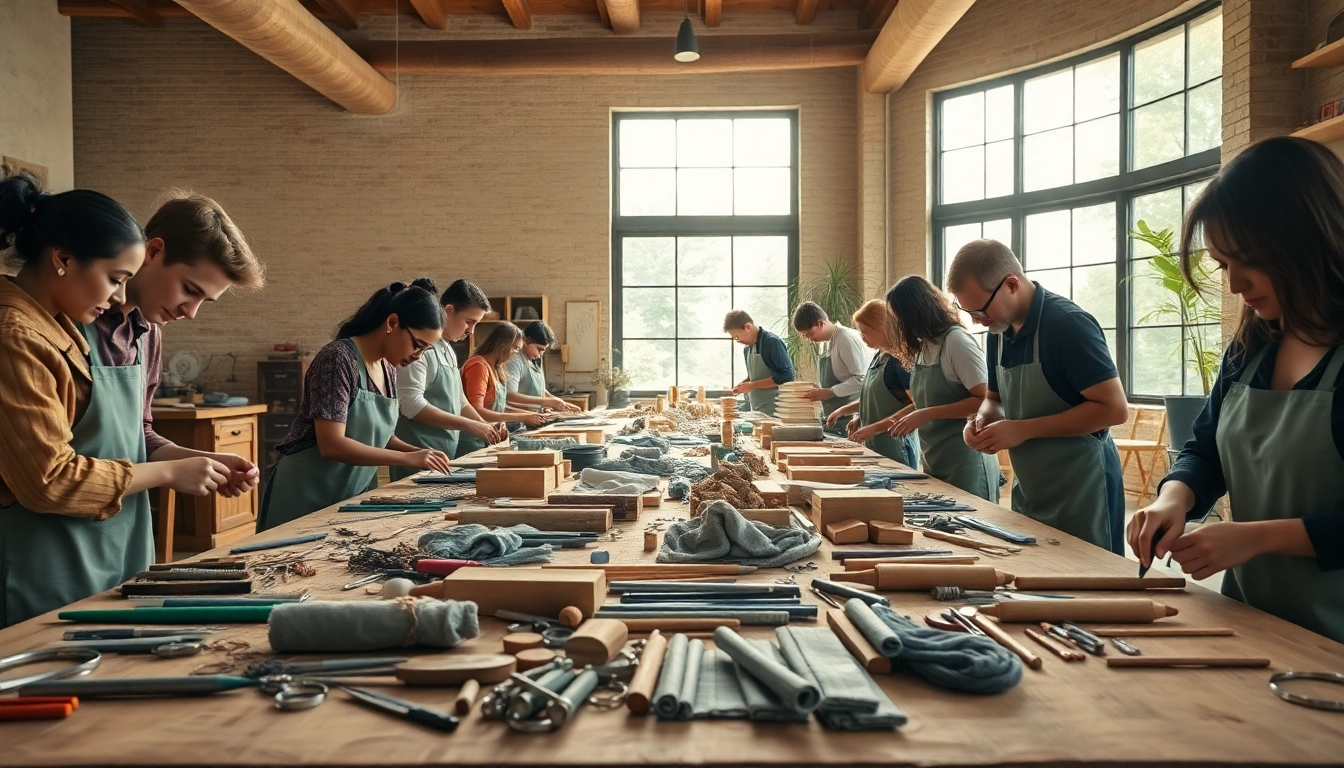
Hands-on workshops and classes often serve as the backbone of craft training programs. These programs provide participants with direct, tactile experiences in a guided environment. Typically led by experienced instructors, workshops allow learners to engage with tools, materials, and techniques in real time.
Such classes often range from one-time introductory sessions lasting a few hours to more extended experiences spanning several weeks or months. These workshops may cover a broad spectrum of crafts, from quilting and knitting to glassblowing and woodworking, depending on regional availability and instructor specialization.
Online Craft Training Programs
In recent years, online craft training programs have gained significant popularity, especially due to their accessibility. These virtual classes allow learners to engage with materials and instructions from the comfort of their homes. Online training can include video tutorials, step-by-step written guidelines, and interactive forums where students can seek guidance and share ideas.
The flexibility inherent in online programs caters to various schedules and time constraints, making them ideal for individuals who may struggle to attend physical classes. Furthermore, online craft training often opens up a global array of choices, allowing learners to explore niche interests that may not be available locally.
Specialized Craft Courses
Some craft training programs focus on particular skills or techniques, providing in-depth exploration within a selected craft. Specialized courses may include advanced techniques, such as woodturning, ceramics glazing, or fabric dyeing. Often these courses are designed for those who have already acquired basic skills and are ready to expand their capabilities further.
Additionally, specialized courses may be tailored for specific applications—such as making functional art or creating marketable products. These courses can help learners enhance their portfolio, refine their unique style, or even prepare them to enter the craft market as entrepreneurs.
How to Choose the Right Craft Training Programs
Assessing Your Skill Level
The first step in selecting a suitable craft training program is assessing your current skill level. Beginners should seek out introductory classes that cover the fundamentals, enabling them to build a solid foundation. Intermediate and advanced crafters should consider programs that challenge and extend their existing skills without overwhelming them.
Understanding your skills may require honest self-reflection, or you might consider seeking feedback from peers or mentors who are experienced in the craft. This assessment will guide your decision-making process as you explore various options.
Identifying Your Craft Interests
When selecting a craft training program, it's essential to identify your specific interests. Reflect on what aspects of crafting excite you the most, whether it’s creating functional items, artistic expressions, or perhaps a combination of both. Exploring different disciplines can spark inspiration, but focusing on a particular craft allows for a deeper dive into mastery.
Consider experimenting with a variety of crafts through introductory workshops before committing to a long-term program. This approach can help clarify your interests and offer a well-rounded experience.
Evaluating Program Quality and Outcomes
Your investment in a craft training program should yield positive learning outcomes. Research prospective programs thoroughly—consider instructor credentials, student testimonials, and program reviews. High-quality training should result in tangible skills improvements, and many successful programs make a point to showcase the work of their students or share success stories of alumni.
Ask specific questions about course structure, materials provided, and post-completion support such as networking opportunities or further learning paths. The best programs will offer a blend of knowledge, practical application, and community support.
Effective Strategies for Learning in Craft Training Programs
Setting Realistic Goals
Goals provide motivation and direction. Before diving into your chosen craft training program, establish realistic, measurable goals that you aim to achieve. For beginners, this might include mastering a specific technique or completing a particular project. More experienced learners may aim to refine their design aesthetic or develop a portfolio of work. Setting achievable milestones keeps you focused while also allowing you to celebrate progress along the way.
Practicing Techniques Regularly
Regular practice of newly learned skills is crucial in honing your craft. Theory alone won't elevate your capabilities; practical application through consistent practice solidifies your learning and boosts confidence. Consider dedicating specific times each week to practice, using craft training program assignments as a foundation for your sessions.
Documenting your progress with photographs or writing can also provide motivation and a way to visualize improvement. Additionally, experimenting with variations on learned techniques can encourage creativity while reinforcing your foundational knowledge.
Networking with Other Learners
Building a network of fellow crafters can greatly enhance your experience and learning outcomes. Craft training programs offer opportunities to meet and collaborate with others who share your passions. Engage actively in discussions, ask questions, and offer insights in class or online forums.
Networking may open doors to new collaborations, support systems, and opportunities for sharing ideas. Participating in craft fairs or join local crafting groups can further expand your community and provide exposure to different perspectives and techniques.
Measuring Success in Craft Training Programs
Tracking Skill Improvement
To ascertain the value of your craft training program, tracking your skill improvement is key. Maintain a journal or portfolio documenting projects completed, techniques learned, and goals achieved. Regularly revisit your past work to identify areas of growth and recognize patterns in your progression.
Assessing skill improvement can also include seeking feedback from instructors and peers—constructive criticism can be invaluable for understanding your strengths and areas for enhancement.
Gathering Feedback from Instructors
Actively seeking feedback from your instructors not only signals your commitment to improvement but also helps you understand your unique learning journey. Most instructors appreciate students who wish to engage actively, and they can provide insights that are critical to your development. Consider scheduling time for discussions about your work and seeking tailored advice on how to overcome challenges.
Creating a Portfolio of Your Work
The creation of a portfolio acts as both a record of your learning and an avenue for expression. Showcasing completed projects highlights your skills and demonstrates your growth. Portfolios can include photographs of your work, descriptions of the techniques used, and any critical reflections on the processes involved. This tangible representation of your accomplishments may also serve you well if you choose to pursue crafting professionally.
FAQs About Craft Training Programs
1. What are the prerequisites for joining a craft training program?
Most craft training programs do not have strict prerequisites. Beginners can start with introductory classes, while experienced crafters may look for specialized courses.
2. How much do craft training programs typically cost?
Costs for craft training programs vary widely based on location, duration, and expertise offered. Introductory workshops can be quite affordable, while specialized programs may incur higher fees.
3. Can I find scholarships for craft training programs?
Some organizations and craft schools offer scholarships or financial assistance to support learners. Research local programs or inquire directly to find available funding options.
4. Are there any age restrictions for craft training programs?
Craft training programs are often open to all ages, though some specific classes may have age recommendations to ensure appropriateness for content and materials.
5. How often can I expect to practice my craft skills in a training program?
Practice frequency varies by program structure and format. Workshops typically offer hands-on practice during sessions, while online programs encourage self-paced practice at your convenience.