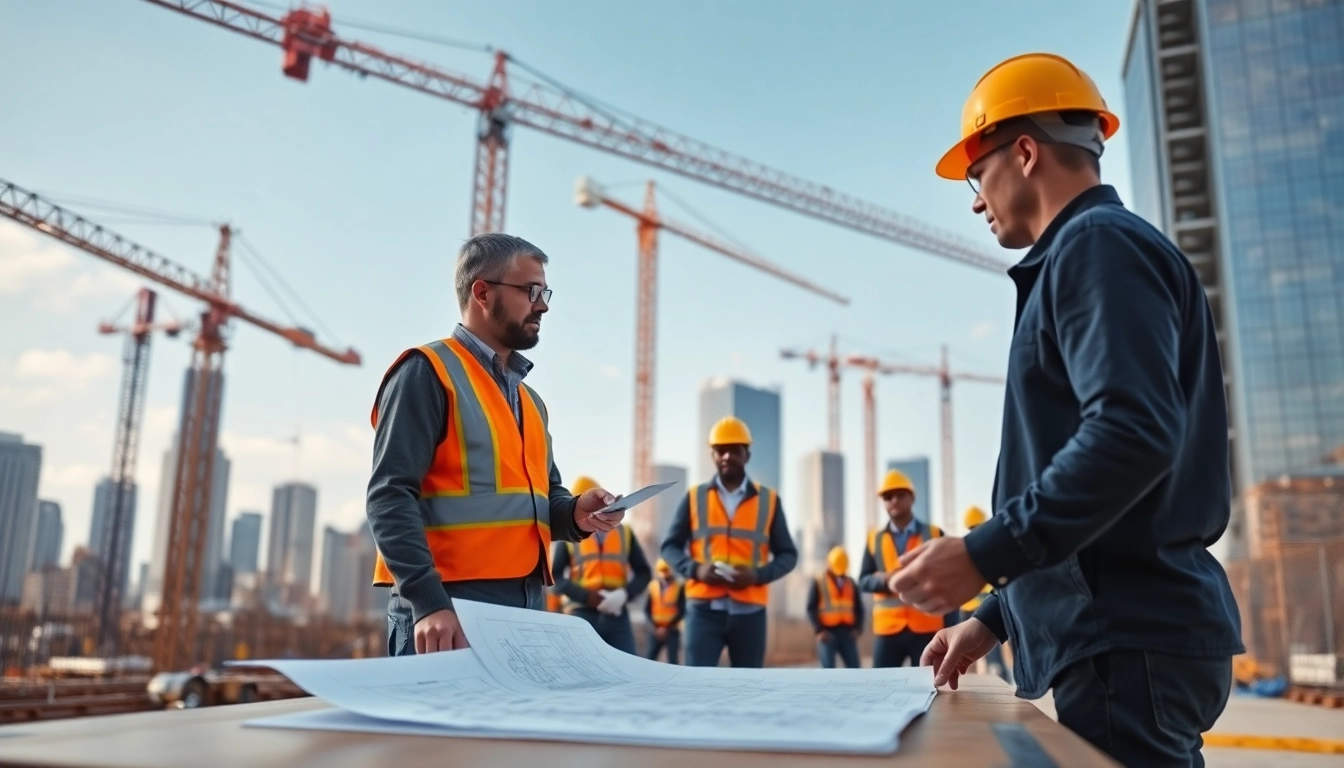
Introduction to the New York Construction Manager
The role of a New York Construction Manager is pivotal in the realm of urban development. This highly specialized profession combines technical savvy, leadership, and strategic planning to oversee construction projects from inception to completion. As urban landscapes evolve, the demand for adept construction management has surged, making this an exciting time to explore the intricacies of the role.
What is a New York Construction Manager?
A New York Construction Manager is a professional responsible for planning, coordinating, and supervising construction projects in New York City and its surroundings. This individual acts as a bridge between various stakeholders, including owners, contractors, architects, engineers, and local authorities. They ensure that projects are completed on time, within budget, and to the required quality standards while also adhering to local regulations and safety standards.
Key Responsibilities and Skills
The responsibilities of a New York Construction Manager encompass a broad range of activities, including:
- Project Planning: Developing detailed project schedules and plans.
- Budget Management: Preparing and managing budgets for the entire project lifecycle.
- Quality Control: Ensuring that all construction work meets quality standards and complies with specifications.
- Communication: Facilitating effective communication among all project stakeholders.
- Problem Solving: Quickly addressing issues that arise during the construction process.
Key skills necessary for a New York Construction Manager include strong leadership capabilities, excellent communication and negotiation skills, a deep understanding of construction processes, and proficiency in project management software and tools. Moreover, being adept at navigating regulatory requirements and local building codes is vital.
The Importance of Construction Management
Construction management is crucial for ensuring the successful execution of construction projects. A skilled New York Construction Manager not only ensures that projects are delivered on budget and on time but also enhances safety practices, optimizes resource use, and minimizes risks through meticulous planning and coordination. The complexity of urban projects, especially in a densely populated city like New York, necessitates a comprehensive approach to construction management to navigate the myriad of challenges that may arise.
Planning and Pre-Construction Phase
Initial Site Assessments
Before any construction begins, a thorough site assessment is essential. This process includes evaluating the physical characteristics of the site, such as size, topography, and existing structures. It's also critical to consider environmental concerns and the potential impact of the proposed construction. Engaging with geotechnical engineers to assess the soil and foundation conditions is often part of this stage.
Budgeting and Financial Planning
Effective budgeting is at the heart of construction management. A New York Construction Manager is responsible for preparing a comprehensive budget that includes estimates for materials, labor, equipment, and any additional expenses that may arise. Accurate financial planning helps prevent cost overruns and ensures that funds are allocated appropriately throughout the project.
Compliance with Local Regulations
New York City has specific building codes and zoning laws that must be adhered to. A New York Construction Manager navigates these regulations to ensure that every aspect of the project complies with local laws. This requires constant communication with local authorities and an understanding of the permitting process, which can often be complex and time-consuming.
On-Site Management
Daily Operations and Team Coordination
Once construction begins, the New York Construction Manager plays a key role in daily site operations. This includes coordinating the work of subcontractors, managing construction schedules, and overseeing site logistics. Effective team coordination ensures that tasks are completed in the right sequence, which is crucial for maintaining project timelines and minimizing delays.
Safety Protocols and Risk Management
Safety is a top priority on any construction site. A New York Construction Manager must implement and enforce strict safety protocols to prevent accidents and injuries. Conducting regular site inspections and safety training for all workers is essential to build a culture of safety that prioritizes the well-being of everyone involved in the project. Additionally, risk management strategies should be developed to identify potential hazards and mitigate them effectively.
Quality Control Measures
Quality control is integral to successful construction management. The New York Construction Manager must establish clear quality standards and ensure that all work meets these specifications through continuous monitoring and inspections. This includes verifying that materials used conform to required standards and that work is performed accurately according to design plans.
Communication and Collaboration
Engaging Stakeholders and Clients
Effective communication is crucial for engaging stakeholders and clients throughout the construction process. The New York Construction Manager is responsible for providing regular updates on project progress, addressing concerns, and managing expectations. Building strong relationships with stakeholders fosters collaboration and facilitates smoother project execution.
Working with Architects and Engineers
The collaboration between a New York Construction Manager, architects, and engineers is essential. Clear communication among these parties ensures that design intentions are realized during construction. Regular meetings and check-ins help in discussing design changes, challenges, and modifications that may be necessary as the project progresses.
Conflict Resolution in Construction Projects
Conflicts can arise at any stage of a construction project due to disagreements over schedules, budgets, or design specifications. A New York Construction Manager must possess strong conflict resolution skills to mediate disputes and find mutually agreeable solutions. Understanding the perspectives of all parties involved is vital in restoring collaborative working relationships.
Trends and Future of Construction Management
Embracing Technology in Construction
Technology is rapidly transforming the construction industry, offering innovative tools that improve efficiency and productivity. From project management software to Building Information Modeling (BIM), these technological advancements help the New York Construction Manager streamline operations and enhance project tracking. Adopting new technologies not only facilitates communication but also fosters better planning and execution.
Sustainability and Green Building Practices
As awareness of environmental issues grows, the demand for sustainability in construction is also increasing. New York Construction Managers are now incorporating eco-friendly practices into their projects, such as using sustainable materials and energy-efficient designs. Understanding green building certifications, like LEED (Leadership in Energy and Environmental Design), can offer competitive advantages while contributing positively to the environment.
The Evolving Role of the New York Construction Manager
The role of a New York Construction Manager is continuously evolving as new challenges and technologies emerge. Modern construction managers must be adaptable, versatile in their skillsets, and proactive in learning about industry trends. They are evolving from traditional managerial roles into strategic partners who drive innovation and sustainable practices in urban development.
Frequently Asked Questions
What qualifications are needed to become a New York Construction Manager?
Typically, a bachelor's degree in construction management, civil engineering, or related fields is required, along with substantial experience in the construction industry. Relevant certifications can also enhance credentials.
How does a Construction Manager handle project delays?
They assess the situation, communicate with stakeholders, adjust schedules, and implement solutions to mitigate future delays while keeping the project on track.
What technologies are commonly used in construction management?
Common technologies include project management software, BIM, scheduling tools, drones, and mobile applications that enhance communication and efficiency.
How important is the budget in construction management?
The budget is critical. It guides project decisions, impacts timelines, and resource allocation, ensuring the project remains financially viable.
What challenges do Construction Managers face in New York City?
Challenges include navigating strict regulations, managing limited space, and dealing with fluctuating material costs and labor shortages unique to urban environments.